

 |
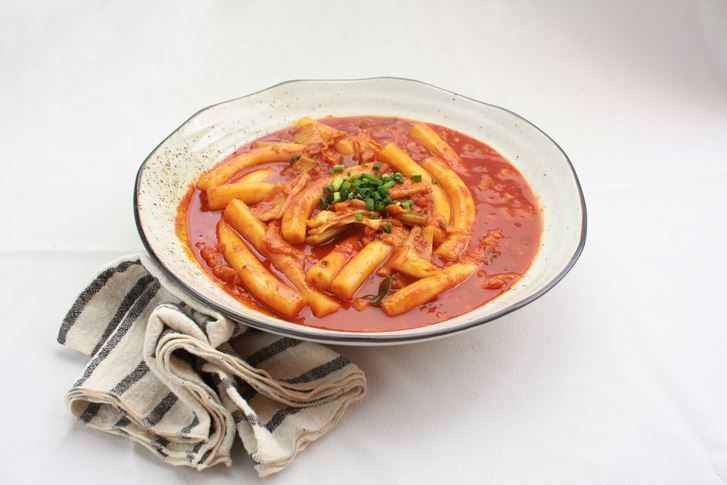
| Tteokbokki / gettyimagesbank |
By Baek Byung-yeul
Tteokbokki, a Korean dish made of rice cakes and gochujang or red chili paste, has been drawing popularity from not only here but also other countries, but the government has legally prevented large-sized food companies’ from entering the rice cakes manufacturing business as part of its effort to protect smaller businesses
The Ministry of SMEs and Startups has decided Thursday that it will keep blocking local food giants from entering the rice cake manufacturing business for the next five years until September 2026, designating the business as “a type of business suitable for livelihood” in a bid to protect micro enterprises engaged in small-scale businesses with low entry barriers.
Food conglomerates sold rice cakes supplied from small-sized firms up until last year following the Korea Commission for Corporate Partnership’s recommendation in in 2014 that the rice cake manufacturing business was suitable only for small and medium-sized businesses with the recommendation carrying through to 2020.
However, there have been growing calls from rice cake manufacturers as large-sized food companies have been moving to begin or expand their own rice cake manufacturing businesses after the six-year-period expired.
“Large-sized companies and small and medium-sized business have achieved mutual growth by restricting the former from expanding production facilities of rice cakes and entering new markets as well as letting them use rice cakes made by small firms,” the ministry said.
“But after the recommended period expired, small businesses have criticized the large companies’ moves to advance into the rice cake manufacturing business due to increased demand in the home meal replacement market.”
According to data by the Korea Rice Foodstuffs Association, the tteokbokki market has seen a 124 percent growth to 127.4 billion won ($110.2 million) in 2019 from 56.8 billion won in 2013. The Korea Commission for Corporate Partnership said small and medium-sized businesses had around 80 percent share in the tteokbokki sales, followed by 15 percent for small business owners and 5 percent for large companies.
As the ministry now can legally prevent large firms from entering the business and impose penalties for violations, they expect that small-sized companies and business owners in the industry will continue to be protected.
Large enterprises to stay out of tteokbokki business again
Source: Buhay Kapa PH


0 Comments